
What’s the Impact of Non Recycled E-Waste on the Planet?
If you think about every person you know who upgrades to the latest iPhone every year, you can start to…
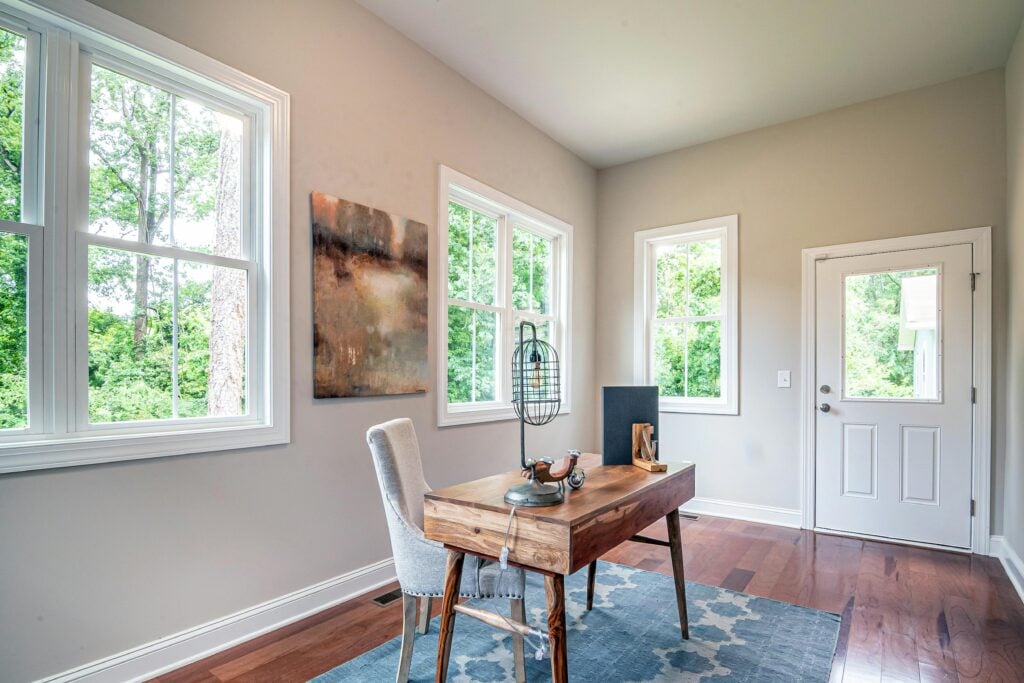
What if one home upgrade could cut energy waste, lower bills and reduce your home’s carbon footprint? For many households, the answer starts with the windows.
Energy-efficient windows improve insulation, reduce heat loss and help control how sunlight affects indoor temperatures. When homes retain heat in winter and limit unwanted heat in summer, heating and cooling systems work less. The result is lower energy use, reduced greenhouse gas emissions and a more comfortable living space.
Why Windows Play a Big Role in Home Energy Use
Windows can be a major source of heat loss in homes. According to the U.S. Department of Energy, older or inefficient windows can account for about 25% to 30% of residential heating and cooling energy use.
Energy-efficient windows address this problem through improved insulation and better design. These windows limit unwanted heat transfer while allowing natural light to enter the home. As a result, heating and cooling systems do not need to run as often or as long.
When a home uses less energy for temperature control, it also reduces the fossil fuels burned to generate electricity or heat. That reduction directly lowers a household’s carbon emissions.
How Energy-Efficient Windows Improve Insulation
A key feature of high-performance windows is their ability to improve insulation. Standard windows often contain a single pane of glass and minimal sealing around the frame. This design allows air leaks and heat transfer.
Energy-efficient windows typically include multiple panes of glass separated by insulating gas layers. These gases – such as argon or krypton – slow heat movement between indoor and outdoor environments.
Special coatings also play an important role. Low-emissivity – or low-E – coatings reflect heat while still allowing sunlight to pass through. In winter, these coatings help keep warm air inside the home. During summer, they reflect outdoor heat away from the glass. Together, these features help stabilize indoor temperatures.
Reducing Heat Loss and Cooling Demand
Heat loss through windows is one of the main reasons homes consume large amounts of energy. During colder months, warm indoor air escapes through poorly insulated glass and window frames. The heating system then works harder to replace that lost warmth.
Energy-efficient windows significantly reduce this heat loss. Double or triple glazing and improved frame materials create stronger thermal barriers. This barrier slows the movement of heat and reduces drafts around window edges.
Cooling demand also drops during warmer months. Windows designed to block solar heat gain limit the amount of outdoor heat entering the home. As a result, air conditioners run less frequently, use less electricity, and emit fewer carbon emissions linked to home energy use.
Financial Benefits for Homeowners
Environmental benefits are important, but homeowners also see clear financial advantages from energy-efficient windows as lower heating and cooling demand leads to reduced energy bills. Over time, these savings can offset the initial investment in upgraded windows.
Energy-efficient windows can also improve property value. Buyers increasingly look for homes with modern energy features that lower operating costs and reduce environmental impact. Additionally, improved insulation makes homes more comfortable as rooms stay warmer in winter and cooler in summer, and drafts near windows often disappear after installation.
Choosing the Right Window Upgrades
Not all windows provide the same level of performance. Selecting the right product requires attention to design features such as frame materials, glazing layers and energy ratings.
For example, modern window designs with advanced insulation and durable frames can provide excellent performance for both new construction and renovation projects. Homeowners looking for updated designs may consider options like replacement sliding windows, which can combine modern functionality with improved thermal performance.
When selecting new windows, it is helpful to review energy ratings such as U-factor and solar heat gain coefficient. These measurements indicate how well a window prevents heat loss and manages sunlight. Working with experienced professionals can help you choose the most appropriate window type for their climate and home design.
Small Changes that Support a Larger Climate Impact
Home energy improvements often feel small when viewed individually. However, each upgrade contributes to a broader effort to reduce emissions and improve sustainability. When we combine efficient windows with other home improvements – such as insulation upgrades and efficient appliances – the environmental benefits grow even larger.
Of course, it’s all about taking one step at a time, and improving window efficiency is one practical step you can take today.
If you are considering ways to reduce your home’s carbon footprint, upgrading your windows is a strong place to begin. Small changes inside our homes can contribute to meaningful environmental progress across our communities.
RESOURCES:
https://www.energy.gov/sites/default/files/2021-08/ES-EE%20Windows_081721.pdf
https://greencitizen.com/blog/energy-efficient-windows
AUTHOR BIO: Cole Dansie is the Marketing Director at Renewal by Andersen, a division of Andersen Corporation, which has been providing quality windows and doors for more than 100 years. Cole leads multi-region marketing and sales support teams across Washington, Idaho, and California. With a background in journalism and more than a decade of marketing leadership, Cole specializes in helping homeowners make confident, informed decisions about improving their homes.