
Raising Nature-Loving Kids and Why It’s Awesome
Living in the world we do, there's no shortage of eco-anxiety. For a substantial number of parents, the antidote appears…
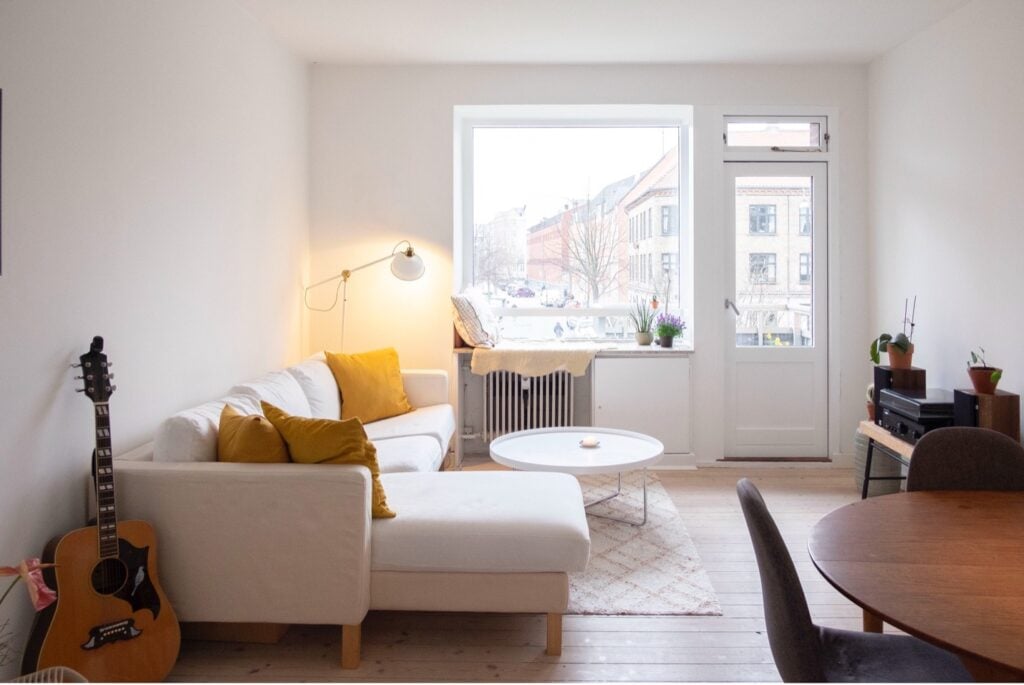
Living sustainably does not require a backyard or major renovations. Apartments offer many opportunities to reduce environmental impact while improving daily comfort and health. This article explores practical ways to go green in an apartment, focusing on changes that fit real lifestyles and shared living spaces.
.
Rethinking Energy Use Indoors
Energy use is often the largest environmental factor in apartment living. Simple adjustments can make a measurable difference. Switching to LED light bulbs lowers electricity use and reduces heat output, which helps during warmer months. Power strips make it easier to turn off electronics fully instead of leaving them on standby.
We can also pay attention to heating and cooling habits. Setting thermostats a few degrees lower in winter and higher in summer reduces energy demand. Using curtains or blinds to manage sunlight helps regulate indoor temperatures naturally. Even small changes, when practiced consistently, add up across many households.
Water Conservation in Shared Spaces
Water use is another area where apartments can become more sustainable. Low-flow showerheads and faucet aerators are inexpensive and easy to install in many rentals. Shortening shower time and turning off water while washing dishes or brushing teeth saves gallons each day.
Laundry habits matter as well. Washing clothes in cold water protects fabrics and reduces energy use. Running full loads instead of smaller ones conserves both water and electricity. When we choose efficient habits, we lower strain on shared water systems and infrastructure.
Waste Reduction Without Extra Space
Apartments often limit storage, which can make waste reduction feel challenging. Focusing on fewer, better items helps address this. Reusable bags, water bottles, and food containers replace single-use products without taking up much room.
Composting may still be possible through community programs or countertop bins designed for small spaces. Recycling rules vary by building, so learning local guidelines ensures materials are handled properly. Reducing food waste through meal planning also cuts down on trash while saving money.
Choosing Sustainable Products
What we bring into our apartments affects indoor air quality and environmental impact. Cleaning products with fewer chemicals reduce exposure and are safer for plumbing systems. Many effective options use simple ingredients like vinegar or plant-based formulas.
Furniture and decor choices also matter. Buying secondhand items extends their life and reduces demand for new manufacturing. When purchasing new products, choosing items built to last reduces waste over time. Sustainable living often starts with slowing down consumption rather than replacing everything at once.
Greener Food Habits at Home
Food choices connect personal health with environmental impact. Cooking more meals at home allows greater control over ingredients and packaging. Choosing local produce when available supports regional systems and reduces transportation emissions.
Reducing meat consumption, even a few days a week, lowers resource use related to food production. Storing food properly and planning meals helps avoid spoilage. These habits fit easily into apartment kitchens and support broader sustainability goals.
Improving Indoor Air and Comfort
Plants play an important role in apartment sustainability. They improve indoor air quality, add humidity, and support mental well-being. Low-maintenance plants such as snake plants or pothos work well in limited light conditions.
Ventilation also matters. Opening windows when the weather allows improves air flow and reduces reliance on mechanical systems. Avoiding synthetic air fresheners helps maintain cleaner indoor air. A healthier apartment environment benefits both residents and the building.
Sustainable Living and Housing Choices
Where we live influences how easily we can maintain sustainable habits. Proximity to public transportation, grocery stores, and green spaces reduces reliance on cars. Building features like efficient appliances or recycling access support long-term habits.
Working with an apartment broker who understands sustainability priorities can help renters find spaces that align with these values. While not every building offers the same features, awareness allows renters to make informed choices within their budget and location.
Building a Collective Impact
Sustainable apartment living is not just about individual action. Shared buildings mean shared impact. Talking with neighbors about recycling, energy use, or community gardens can lead to building-wide improvements.
We can also support policies and programs that promote efficiency in multi-family housing. When residents work together, even small changes become meaningful at scale. Apartments may feel temporary, but the habits we build there often carry forward.
Moving Forward With Purpose
Going green in an apartment is about progress, not perfection. Each step reduces environmental strain while improving daily life. By adjusting energy use, conserving water, reducing waste, and choosing thoughtful products, we create healthier homes and communities.
Let us commit to one change at a time and encourage others to do the same. When we act together, apartment living becomes a powerful part of a more sustainable future. Check out the infographic below for more information.