
What are the future challenges for sustainability in businesses?
It is no secret that sustainability has become a key priority for businesses in recent years. The need to operate…
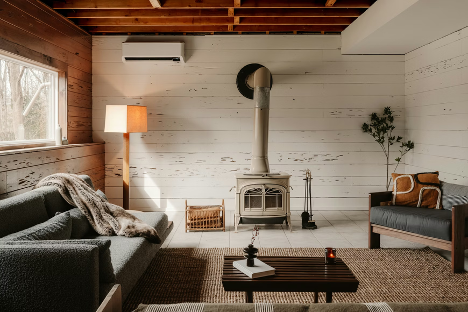
What happens inside your home plays an important role in climate action. Indoor air quality is a health concern, but it also has a measurable environmental impact, especially when poor air conditions lead to excess energy use, material waste and avoidable emissions. Understanding how air quality, moisture control and mold prevention intersect can help you make smarter, more eco-conscious decisions at home.
Indoor concentrations of some pollutants can be two to five times higher than outdoor concentrations. In some cases, they may exceed outdoor levels by more than 100 times. While indoor air pollution can cause health problems, it also carries environmental consequences.
Heating, ventilation and air conditioning account for more than half the energy consumption of U.S. households. So, when indoor air is poorly managed, systems run longer cycles to maintain comfort, increasing energy consumption. This creates a loop in which unhealthy indoor environments indirectly contribute to higher carbon emissions.
During humid seasons, excess moisture can accumulate in walls, ceilings and ventilation systems. This creates discomfort and it forces your home to use more energy. High indoor humidity can reduce the efficiency of cooling systems, as they must work harder to maintain indoor temperatures.
When your air conditioner or dehumidifier runs longer than necessary, it consumes more electricity. A significant share of global emissions comes from burning fossil fuels for electricity and heat production, so the energy your household consumes likely comes from fossil fuels.
Therefore, an increment of energy use can increase your carbon footprint. Over time, even small inefficiencies can significantly impact overall emissions. By maintaining balanced humidity levels, you reduce energy demand and improve the efficiency of your home systems.
Dangerous types of mold, such as black mold, can spread into the materials they grow on, causing damage to your home and affecting your health. That is why it is important to deal with them as soon as they appear.
You may be able to spot mold through visible signs, such as fuzzy growth around windows, vents, pipes or doorways. However, it often goes unnoticed until other indicators appear, including persistent cold-like symptoms, like a runny nose, headaches, itchy eyes or sneezing, musty odors, past or recent water damage, and dark, spreading stains on walls or ceilings.
If the case is severe, you might need to replace the affected structures, which contributes to construction waste. In 2018, construction and demolition debris accounted for 600 million tons of waste in the U.S., so preventing mold can also be about reducing unnecessary material consumption and landfill impact.
Spring is a critical time for addressing indoor air and moisture issues. As temperatures rise, so does humidity, especially in regions like the Southeast and Midwest, although even drier areas can experience seasonal fluctuations. With each 1° Fahrenheit increase in temperature, the air can retain 4% more moisture, increasing the likelihood of humidity-related indoor issues during seasonal transitions.
If you do not properly prepare your home, this moisture can accumulate quickly, creating ideal conditions for mold growth and reduced air quality. Addressing these points early helps prevent larger environmental and structural consequences later in the year.
Making indoor air quality improvements does not require a full home overhaul. Instead, focus on a few interconnected areas that directly affect both sustainability and livability.
Start by monitoring indoor humidity levels. Try to maintain indoor humidity between 30% and 60% to prevent health issues, deter pests and promote overall comfort. Keeping humidity in this range also reduces strain on your HVAC system and limits the conditions that allow mold to develop.
Well-designed ventilation systems can improve indoor air quality while minimizing energy loss, but they need to be balanced. Simple steps like installing exhaust fans in kitchens and bathrooms or ensuring ducts are properly sealed can improve airflow without increasing your energy footprint.
Leaks, condensation and poor insulation are common causes of indoor moisture problems. Even small issues can escalate quickly, especially during humid spring months. Mold thrives in environments with consistently high moisture levels, making early intervention critical to containing the environmental and structural impacts. If you dry damp materials within 24 to 48 hours after a leak or spill, you can increase the chances of preventing mold growth.
Sustainable living often focuses on visible actions like recycling or reducing plastic use, but your home’s air quality and indoor environment are just as important. Moisture control and mold prevention help shape your household’s environmental footprint. When you improve indoor air, you are creating a healthier living space while reducing energy demand, minimizing waste and contributing to broader climate goals. These changes may seem small on their own, but collectively, they have a significant impact.