

Bring Nature Into Your Home: How to Grow Plants Inside
Indoor gardening is becoming increasingly popular, especially with the weather becoming colder and those who enjoy the activity wanting the…
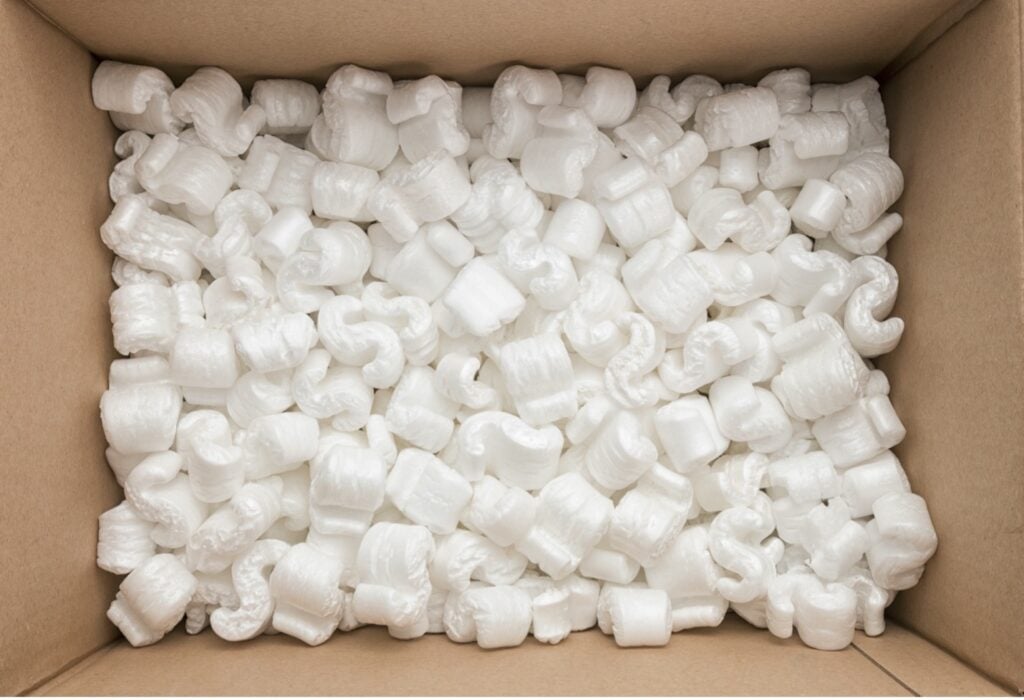
Packaging waste adds up faster than most of us realize. Every delivery, grocery run, and takeout meal leaves material behind that often outlives its purpose by decades. This article breaks down where packaging waste comes from, why it matters, and how we can reduce its impact through everyday choices.
.
The Main Sources of Packaging Waste
Most packaging waste falls into a few familiar categories: paper and cardboard, plastics, glass, and metals. Cardboard boxes and paper mailers dominate household recycling bins, driven largely by online shopping and home delivery. Plastics, including wraps, pouches, and protective fillers, remain the most problematic because they are difficult to recycle and slow to break down.
Food packaging is a major contributor. Single-use containers, flexible films, and multilayer packaging protect freshness but often cannot be processed by local recycling systems. Shipping materials like bubble wrap and foam inserts also play a significant role, especially for fragile goods.
Why So Much Packaging Ends Up as Waste
Packaging is designed for convenience, protection, and branding. That efficiency often comes at the cost of longevity and recyclability. Many materials are combined to improve strength or moisture resistance, which makes separation nearly impossible once discarded.
Recycling infrastructure also varies widely across regions. What one city accepts, another rejects. As a result, items placed in recycling bins may still end up in landfills due to contamination or processing limits. This disconnect creates frustration and leads to lower participation over time.
Environmental Costs Beyond the Trash Can
Packaging waste affects more than landfill capacity. Plastic pollution enters waterways and breaks down into microplastics that impact wildlife and human health. Paper products require trees, water, and energy, and their production contributes to emissions even when recycled.
Transportation adds another layer. Heavier or oversized packaging increases fuel use during shipping. Excess space in boxes means fewer items per truck, which raises emissions across supply chains. These impacts compound quickly at scale.
Smarter Design Makes a Difference
Better packaging design can significantly reduce waste without sacrificing function. Right-sizing packages cuts down on filler materials and shipping inefficiencies. Reusable and refillable packaging models are gaining traction in both consumer goods and food service.
Innovations like adjustable shipping boxes help address overpacking by adapting to product size rather than forcing items into standard dimensions. Small design changes like this reduce material use and lower transportation emissions at the same time.
What We Can Do as Consumers
Individual actions matter, especially when multiplied. Choosing products with minimal or recyclable packaging sends a clear signal to brands. Reusing boxes, mailers, and packing materials extends their life and delays disposal.
Learning local recycling rules helps reduce contamination. When we recycle correctly, systems work more efficiently, and fewer materials are wasted. Supporting companies that invest in sustainable packaging pushes the market in a better direction.
The Role of Businesses and Communities
Businesses have a powerful role in reducing packaging waste through sourcing, design, and logistics decisions. Switching to simpler materials, reducing layers, and offering take-back programs can dramatically lower environmental impact.
Communities can support progress through education, improved recycling access, and local policies that encourage waste reduction. Collaboration between residents, businesses, and municipalities creates systems that are easier to follow and more effective.
Packaging waste is not an unsolvable problem, even if it sometimes feels that way. By paying attention to what we bring into our homes and how it is designed, we can reduce unnecessary waste at its source. Choosing smarter packaging, reusing materials, and supporting better systems allows us to move from passive disposal to active responsibility. The next step is simple: notice your packaging, question it, and make one change that reduces what you throw away. Look over the infographic below to learn more.