
Empowering Eco-Minded Families: Simple Habits from Babyhood to Household Sustainability
Empowering eco-minded families usually begins long before anyone thinks of it as a lifestyle. A baby arrives, routines shift, and suddenly there…
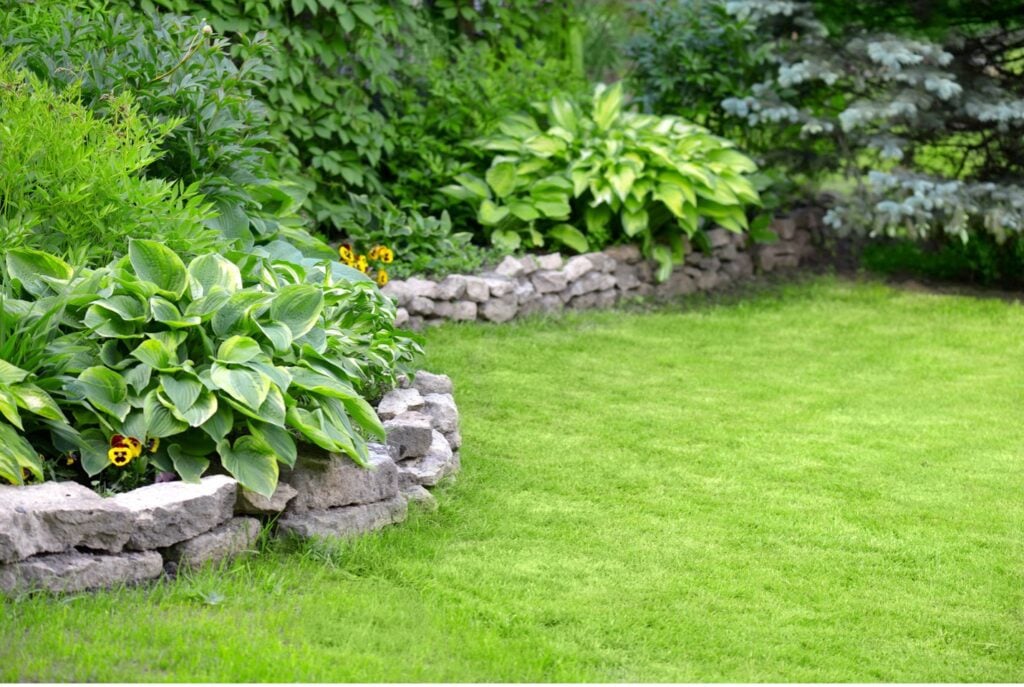
Our yards are more than decorative spaces. They are living ecosystems that support plants, animals, soil health, and even our own well-being. This article explores how everyday yards function as interconnected systems and how we can care for them in ways that support sustainability and local life.
.
Your Yard as a Living System
Every yard includes a network of relationships between soil, water, plants, insects, birds, and microorganisms. Grass, trees, shrubs, and flowers interact with rainfall, sunlight, and temperature to create conditions that support life. Beneath the surface, soil organisms break down organic matter and help roots absorb nutrients. Above ground, insects pollinate plants while birds and small mammals help control pests and spread seeds.
When we see our yards as living systems rather than isolated features, it becomes easier to make choices that support balance instead of disruption. Small adjustments in how we plant, water, and maintain outdoor spaces can strengthen these natural connections.
Soil Health Starts Everything
Healthy soil is the foundation of a thriving yard ecosystem. Soil that contains organic matter, beneficial microbes, and good structure allows water to absorb slowly and roots to grow deeply. Compacted or nutrient-poor soil limits plant growth and increases runoff, which can carry pollutants into local waterways.
We can improve soil health by leaving grass clippings on the lawn, adding compost, and reducing excessive tilling. These practices feed soil organisms and help retain moisture. Over time, healthier soil reduces the need for fertilizers and supports stronger plant growth.
Plants That Support Local Life
Native plants play a key role in sustainable yards. They are adapted to local climate conditions and often require less water once established. Native flowers, shrubs, and trees also provide food and shelter for pollinators, birds, and beneficial insects.
Diverse plantings create layers of habitat. Ground covers protect soil, flowering plants support insects, and trees offer shade and nesting spaces. Working with tree care experts can help homeowners maintain mature trees while protecting the surrounding ecosystem. Proper pruning and long-term tree health planning keep these important anchors of the yard ecosystem strong.
Water Use and Natural Flow
Water connects every part of the yard ecosystem. How we manage it affects plant health, soil stability, and nearby environments. Overwatering can weaken roots and wash nutrients away, while underwatering stresses plants and soil life.
Simple steps such as watering early in the morning, using rain barrels, and choosing drought-tolerant plants help conserve water. Allowing rain to soak into the ground rather than run off hard surfaces supports groundwater recharge and reduces erosion. We can also shape landscapes to guide water gently through the yard using natural slopes or rain gardens.
Wildlife as Partners
Many animals that visit our yards play helpful roles. Birds eat insects, bees pollinate flowers, and worms improve soil structure. Encouraging these species supports natural balance and reduces reliance on chemical controls.
We can support wildlife by leaving some leaf litter, planting nectar-rich flowers, and providing clean water sources. Avoiding pesticides protects beneficial insects and prevents toxins from entering the food chain. When we work with wildlife rather than against it, yards become more resilient and lively spaces.
Rethinking Maintenance Habits
Traditional yard maintenance often focuses on uniform appearance rather than ecological health. Frequent mowing, heavy chemical use, and removal of all natural debris can disrupt ecosystems.
Sustainable maintenance shifts priorities. Mowing less often, allowing certain areas to grow naturally, and choosing manual or electric tools reduce environmental impact. These changes also save time and energy while creating space for nature to thrive.
A Shared Responsibility Outdoors
Our individual yards connect to larger neighborhoods and watersheds. Choices made in one space affect others through water flow, air quality, and wildlife movement. When we care for our yards sustainably, we contribute to healthier communities and ecosystems beyond our property lines.
By viewing our yards as living systems, we gain the chance to support nature while enjoying more vibrant outdoor spaces. Let us take small, practical steps to build soil health, support native plants, protect water, and welcome wildlife. Together, we can turn everyday yards into meaningful contributors to a more sustainable future. Check out the infographic below for more information.