How to Find Eco-Friendly Furniture
Whether you’re getting your first place, downsizing, or moving to a new city, it’s also probably time for you to…
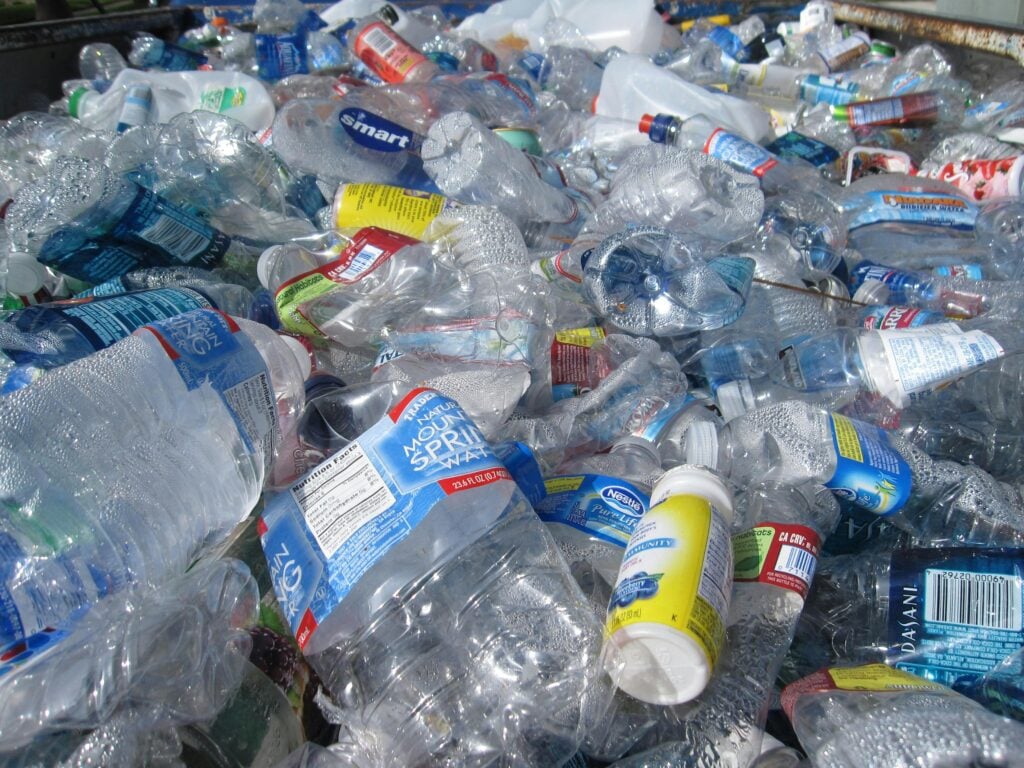
You encounter visible plastic daily, but there’s plenty more that’s harder to see. Microplastics are one of the top environmental challenges because they’re everywhere. Oceans, water fountains and soil contain these pollutants, so human intervention is necessary. Fortunately, there are ways to mitigate the problem. Here are seven ways to reduce microplastic pollution in everyday life.
According to the United Nations, 22% of plastic waste becomes litter due to being mismanaged. Consider the single-use water bottles you drink at home, restaurants and work. When you throw away the container, the plastic photodegrades and fragments in the soil. Instead, carry reusable water bottles to stop the cycle and reduce your microplastic footprint.
A reusable water bottle reduces your reliance on plastic and helps you adopt a more sustainable lifestyle. Choose a thermos made from stainless steel, as it ensures durability and long-term use. A food-grade metal one can keep your beverages hot or cold for hours, especially if it has a double-vacuum wall construction.
Clothes with polyester and spandex may seem harmless. However, they can become problematic and polluting when it’s time to wash them. Studies show that around 35% of the microplastics currently in the ocean can be traced back to textiles. Once in the washing machine, your garments twist and rub against each other. The friction causes microfibers to shed and escape down the drain. Microplastics end up in wastewater because they’re too small for the filter.
Opt for clothes made from natural fibers like cotton and wool. These organic materials are preferable because they’re biodegradable and break down more easily in the environment. Prioritize eco-friendly garments in your shopping to reduce your microplastic count. Recent fashion innovations include jeans that biodegrade in 210 days, rather than taking multiple years.
Chewing gum may seem harmless, but its ingredient composition has evolved to include microplastics. Modern producers use a synthetic gum base with polymers, plasticizers and resins. Your favorite stick of peppermint gum could contain polyvinyl acetate — the same component used in glue and paint.
Sustainable chewing gum brands use chicle instead of synthetic polymers. These plant-based gums are made from natural ingredients and feature plastic-free packaging. Once you’re done chewing, you can dispose of it and ensure it biodegrades. Check nutrition labels to ensure the gum is free from plastic.
Laundry is a necessary chore, so it’s essential to keep it eco-friendly. Experts say the average American household washes 300 laundry loads annually, leading to significant water consumption. It’s vital to understand how your laundry routine also contributes to microplastic pollution. Hot water can weaken the synthetic fibers of clothes, making them more prone to breaking and releasing microplastics.
Reduce microplastic pollution by altering your laundry habits. Start by using cold water to prevent shedding and wash your clothes more gently. Tackle these pollutants directly by installing a microfiber filter on the discharge hose. These devices prevent microplastics from entering the waterways.
Tires are another necessity you may overlook when reviewing your microplastic footprint. Their treads contain natural and synthetic rubbers and chemical additives. These components wear on every trip you take, leaving microplastics behind. Wind and rain carry them off the road into storm drains and forests, adding to pollution.
Help the environment by maintaining your tires and being mindful of your driving habits. Smooth driving reduces the force and friction of your tires, thereby decreasing the generation of microplastic waste. Underinflated tires increase friction, causing more rubber to wear off, so bring a tire pressure gauge on your road trips, especially when traveling alone.
Federal law bans the use of plastic beads in rinse-off cosmetics, including toothpaste and body scrubs. However, microplastics are still present in mascaras, lipsticks and lip glosses. It’s essential to read ingredient labels for polyethylene, polymethyl methacrylate and similar components. These particles bypass advanced wastewater treatment filters and pollute local rivers and lakes.
Fortunately, there are alternative cosmetics, like products with biodegradable ingredients, such as oatmeal, sugar and bamboo powder. These natural components are safer for the environment and better for your skin.
Participating in local cleanups helps you stop microplastic pollution at the source. Pick up a plastic bottle or a food wrapper to remove parent materials from the environment that can damage the soil over the course of weeks and years. Wind, water and sun exposure turn waste into microplastic pieces, which harm ecosystems.
Find cleanup initiatives at local waterways, whether oceans or lakes. Volunteers typically walk the shoreline to pick up waste materials. You can also locate groups at local parks and schools, as it’s essential to grab litter before it reaches storm drains. If there are few opportunities, gather your friends and family to start a new cleaning tradition.
Microplastics are too small to be seen with the naked eye. However, it’s vital to address the issue, as these tiny particles contaminate soil and water. Although the problem is substantial, there are numerous ways to contribute at home. By making small changes, you can be part of the solution and help the environment.