
How to Build a Greener Workforce
The only way to achieve a green economy is by building a more eco-friendly workforce. Employees who adopt a pro-environment…
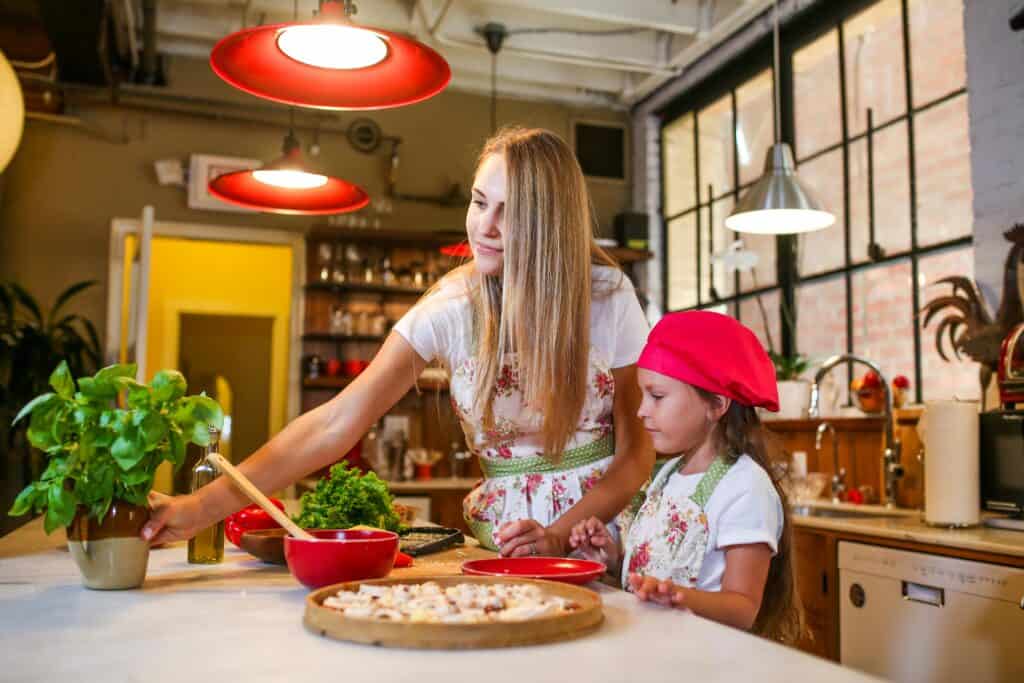
Most of us want to pass our care for the planet along to our kids. The good news is that kids actually pick up sustainable eating habits by watching the adults around them, not by being lectured about it. Here’s how we can model sustainable eating in ways that genuinely stick.
When researchers look at how kids develop long-term eating habits, the pattern is consistent: what happens at home matters more than what gets said about food. The same logic that runs through research on parental modeling of eating habits holds for sustainability specifically. Kids absorb the foods, attitudes, and routines they see day after day, and the small, consistent choices add up to lifelong patterns far more reliably than the occasional lecture does.
This is empowering rather than overwhelming. We don’t have to be perfect, and we don’t need a degree in nutrition or environmental science. We just have to show up with the choices we want them to make as adults — slowly, repeatedly, and without making it feel like a project.
When we talk about sustainable eating with our families, we’re really talking about a few connected habits:
The piece on simple ways to eat more sustainably from our team covers each of these in more depth. The point isn’t that we need to do all of them perfectly. It’s that the version of sustainable eating that fits our family is the one we’ll actually maintain — and the part of it we manage to do consistently is the part our kids will absorb.
Research from sources like Harvard’s nutrition guidance on plant-based diets and sustainability consistently points to the same conclusion: meals built around plants, whole grains, and minimally processed foods are better for our health and easier on the planet. We don’t have to go all-in to capture most of the benefit.
The highest-leverage move for modeling sustainable eating is bringing kids into the food itself. That means:
Kids who handle the food, see where it comes from, and have a hand in preparing it eat differently than kids who don’t. The connection between food and the rest of life — soil, season, work, the people who grew it — becomes intuitive instead of abstract.
What we ask of kids changes with age. Toddlers and preschoolers do best with sensory involvement: washing produce, tearing lettuce, sniffing herbs, helping pour and stir. They don’t need to understand sustainability yet. They just need to associate food with curiosity and play.
Elementary-age kids can take on more, like reading recipes, measuring ingredients, choosing produce at the store, and helping plan one meal a week. This is the age where the why starts to register, so casual conversations about seasons, local growers, and where ingredients come from land differently than they did at three.
Tweens and teens benefit from real responsibility: a full meal they own start to finish, a garden patch they manage themselves, and a small weekly grocery budget for a category they pick. Each stage builds on the last, and the kid who was tearing lettuce at four often becomes the teen who actually cooks dinner.
We don’t need to overhaul everything at once. The families that build sustainable eating into their routine successfully usually start small and add over time:
Coverage of emerging sustainability trends in food and beverage shows the same pattern at the industry level — small, consistent changes compound, and the businesses (and families) doing this well are the ones that built habits rather than chasing aspirations.
For families just beginning the work, this week:
For families already on the path, this month:
Sustainable eating habits don’t get built in a single conversation or a single shopping trip. They’re built across years of small choices we make in front of our kids. The families who succeed at this aren’t the ones who got everything right. They’re the ones who kept showing up. Our kids will remember the patterns, not the perfect moments.
If you want a broader practical foundation for family nutrition alongside the sustainability piece, USDA guidance on family meals and nutrition is a useful starting point, and the rest of our resource library covers the home, energy, and lifestyle sides of sustainable living for families ready to keep building. Let’s start where we are. The work compounds, and the next generation is watching.