Is There Any Sustainable Caviar?
Diet trends inspired by climate activism are sparking questions in every corner of the food industry. Now, it has hit…
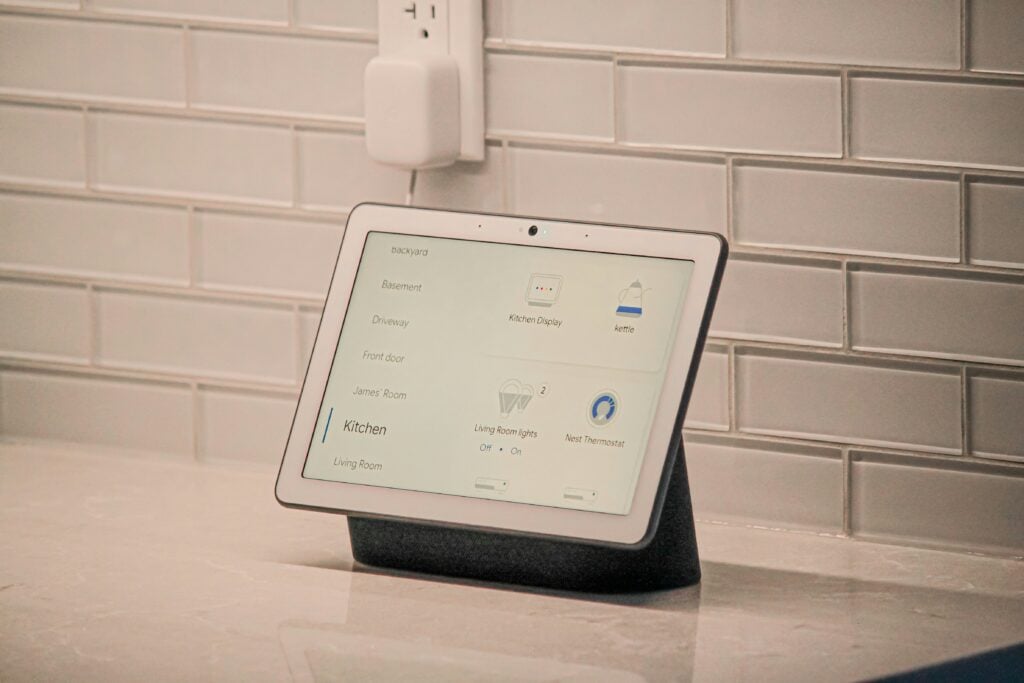
Imagine stepping across the threshold of your home and entering a world ruled by unseen systems. The air feels just right, the lights turn on at the perfect moment and the oven preheats without a second thought. What is behind this seamless comfort? Smart home energy management — devices and platforms designed to monitor, manage and optimize energy use, quietly acting as the gatekeepers of your home. These are the key technologies that make up energy-saving ecosystems.
Smart thermostats are no longer novelties. Devices like Nest, Ecobee and Honeywell’s smart systems can learn your habits. They track when you wake up, leave for work or settle in for the evening. Then they adjust heating or cooling to maximize comfort while minimizing energy waste. Through predictive algorithms, they provide real smart thermostat energy savings, reducing costs while shrinking your carbon footprint.
This results in a home that feels instinctively responsive. A thermostat that used to be a simple dial now acts as a strategic energy manager, forming the core of any energy-efficient smart home.
Smart lighting, plugs and appliances quietly shape the way your home uses power. Motion sensors turn lights on and off, adaptive bulbs adjust brightness, and connected refrigerators track efficiency. Home appliances can even communicate with your energy provider.
Some advanced home energy automation systems allow washing machines, dishwashers and ovens to run at off-peak hours. This lowers energy bills and reduces stress on the grid. Even smaller devices, like smart kettles or coffee makers, can be programmed to operate only when needed, eliminating energy waste without requiring thought.
Smart garage doors are surprisingly effective at saving energy. They automatically close if left open and help prevent heat or air conditioning from escaping. When integrated with home energy automation systems, they enhance overall efficiency while keeping your home secure.
This is where smart garage door openers come in. These devices monitor open and closed status, send alerts if the door is left open, and can automatically close after a preset period. Many integrate directly into broader smart home energy management platforms.
Adoption is already underway. Estimates suggest that between 7% to 9% of households in the United States already own a smart garage door opener. This number continues to climb as homeowners recognize the security and efficiency benefits.
Similarly, smart locks and sensors monitor occupancy, allowing lights, HVAC and appliances to operate only when necessary. These devices turn every entry point into a subtle energy gatekeeper.
Smart shades and blinds do more than block sunlight. They optimize natural heating and cooling. In summer, they close to block the heat and reduce AC load. In winter, they open to let sunlight in, reducing heating needs. When paired with weather sensors or an AI energy management home system, these decisions happen automatically, often before you notice a temperature change.
Water usage has a hidden energy cost. Pumping, treatment and heating all require electricity. Smart irrigation systems use soil moisture sensors and localized weather data to water your yard or garden only when necessary. Instead of relying on static timers, these systems respond dynamically to rainfall, humidity and evaporation rates.
In drought-prone regions, this becomes critical. In any area, it contributes to the overall performance of an energy-efficient smart home. Less water waste means less energy waste behind the scenes.
As electric vehicles (EVs) become more common, homes are transforming into micro-energy hubs. Smart EV chargers do not simply plug in and draw power. They schedule charging when electricity rates are lowest or when rooftop solar systems are generating surplus energy.
Paired with home battery systems, this setup allows homeowners to store power during low-demand periods and deploy it strategically. Integrated into home energy automation systems, vehicles, panels and appliances coordinate rather than compete.
This is where AI energy management home technology becomes especially powerful. It can predict usage patterns, forecast demand, and determine the most cost-effective time to charge a car, run appliances or draw from stored energy.
You cannot manage what you cannot measure. Smart energy monitors provide granular insights into household consumption, identifying which appliances draw the most power, when usage spikes occur and where phantom loads quietly drain electricity overnight.
This transparency changes behavior. When homeowners see real-time data, they adjust. Small shifts in routine, such as turning off standby devices or adjusting peak hour usage, add up quickly.
If your house knows you are away, it can reduce HVAC output. If it detects motion, it can restore lighting and climate instantly. These integrated systems create a seamless experience where comfort and conversation coexist. This convergence represents the evolution of the energy-efficient smart home — from disconnected devices to one unified ecosystem.
Through layered smart home energy management, from thermostats and smart garage door openers to blinds and EV chargers, households are evolving into coordinated environments powered increasingly by AI energy management home platforms.